
Why Proper Storing Camera Gear Matters More Than Most People Think
When users search for a Storing Camera, they are usually worried about one thing: protecting expensive equipment from damage. From humidity and dust to battery degradation and fungus, improper storage quietly destroys cameras over time. We have seen fully functional cameras fail simply because they were left in a drawer or bag without preparation. Proper storage is not about convenience; it is about preserving performance, image quality, and resale value. Whether the camera is unused for weeks or months, storage conditions directly impact sensor health, lens clarity, and electronic reliability.
What Is the Safest Environment for Storing Camera Equipment
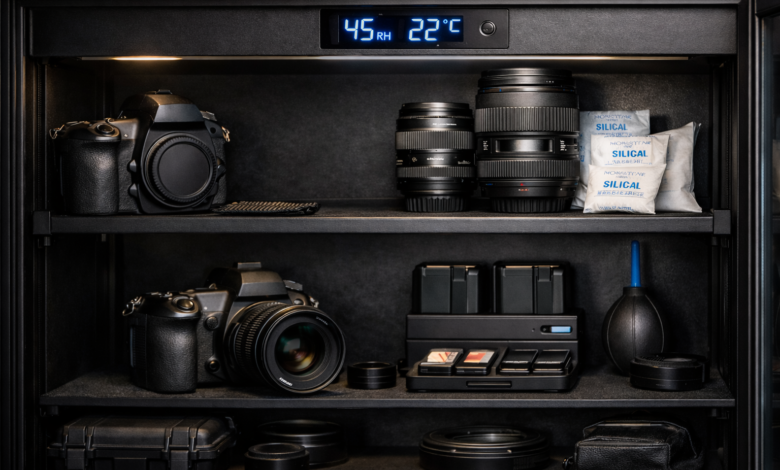
The ideal environment for storing camera gear is cool, dry, dark, and stable. Temperature swings cause condensation inside lenses and camera bodies, which leads to corrosion. Humidity above 60% encourages fungus growth on optical elements. A stable room temperature between 15–25°C (59–77°F) with humidity around 40–50% is ideal. Avoid basements, attics, and areas near windows. Professional storage follows the same standards recommended by major manufacturers when discussing storing camera equipment for extended periods.
How to Store a Camera for Short-Term Non-Use
Short-term storage refers to periods between shoots or travel. Before storing camera gear, remove memory cards, power the camera off fully, and lightly clean the exterior. Lenses should be capped on both ends, and bodies should have a body cap installed. Use a padded camera bag with silica gel packets to absorb moisture. Keep batteries partially charged (around 40–60%) rather than full or empty. This method ensures the camera remains ready without unnecessary stress on internal components.
Best Practices for Long-Term Storing Camera Equipment
For long-term storage exceeding one month, preparation becomes more critical. Remove batteries entirely to prevent leakage and electrical damage. Clean lenses thoroughly to remove oils that feed fungus. Store the camera and lenses separately in airtight containers or dry cabinets. Dry cabinets are preferred by professionals because they maintain consistent humidity automatically. According to guidance from optical engineers discussing camera storage, consistency matters more than absolute dryness. Sudden humidity changes are more damaging than moderate levels.
Should You Use a Dry Cabinet or Silica Gel
Dry cabinets are the gold standard for serious photographers. They regulate humidity continuously and reduce maintenance. Silica gel is effective for budget setups but requires regular monitoring and replacement. Overused silica becomes ineffective and can create false security. If using silica, choose color-indicating packets and recharge them as needed. For high-value lenses and mirrorless bodies, we strongly recommend a dry cabinet. It minimizes risk while extending the operational lifespan of precision optics.
How to Store Lenses to Prevent Fungus and Haze
Lens fungus thrives in darkness combined with moisture. Always store lenses clean and dry, never immediately after shooting in humid or rainy conditions. Allow lenses to acclimate and dry fully before sealing them. Store lenses upright when possible, with caps on. Periodically exposing lenses to indirect daylight helps inhibit fungal growth. Avoid wrapping lenses in cloth for long-term storage, as fabric traps moisture and airborne spores.
Common Storing Camera Mistakes That Cause Permanent Damage
One of the most common mistakes is leaving cameras inside sealed bags without moisture control. Another is storing gear with fully charged batteries for months, which degrades battery chemistry. Many users also forget to clean lenses before storage, allowing fingerprints and oils to etch coatings over time. Storing cameras near magnets, speakers, or electronics can interfere with sensors and stabilization systems. These mistakes often go unnoticed until image quality declines or electronics fail.
How to Store Camera Batteries and Accessories Safely
Camera batteries should be stored separately in a cool, dry place, ideally in fire-resistant cases. Keep them partially charged and recharge every three to four months. Memory cards should be stored in protective cases to avoid static discharge and bent pins. Tripods should be collapsed, cleaned, and stored upright. Filters should be cleaned and stored in rigid cases to prevent micro-scratches that affect image sharpness.
Storing Camera Gear While Traveling or Relocating
During travel or relocation, cameras face vibration, temperature swings, and pressure changes. Use hard-shell cases with foam inserts for long-distance transport. Remove batteries and store them in carry-on luggage when flying. Avoid leaving camera gear in vehicles, even briefly, as heat buildup causes internal damage. Upon arrival, allow equipment to acclimate gradually before opening cases to prevent condensation.
How Often Should Stored Camera Equipment Be Checked
Stored cameras should be inspected every 30–60 days. Power the camera on, rotate the lens focus and zoom rings, and check for signs of moisture or odor. Recharge batteries as needed and replace silica gel if used. This routine prevents mechanical seizing and identifies issues early. Professional studios follow scheduled inspections as part of standard equipment maintenance.
Conclusion
Proper storing camera equipment requires controlled humidity, stable temperature, clean preparation, and periodic inspection. By following professional storage methods, photographers protect image quality, prevent costly repairs, and extend the usable life of their gear.